

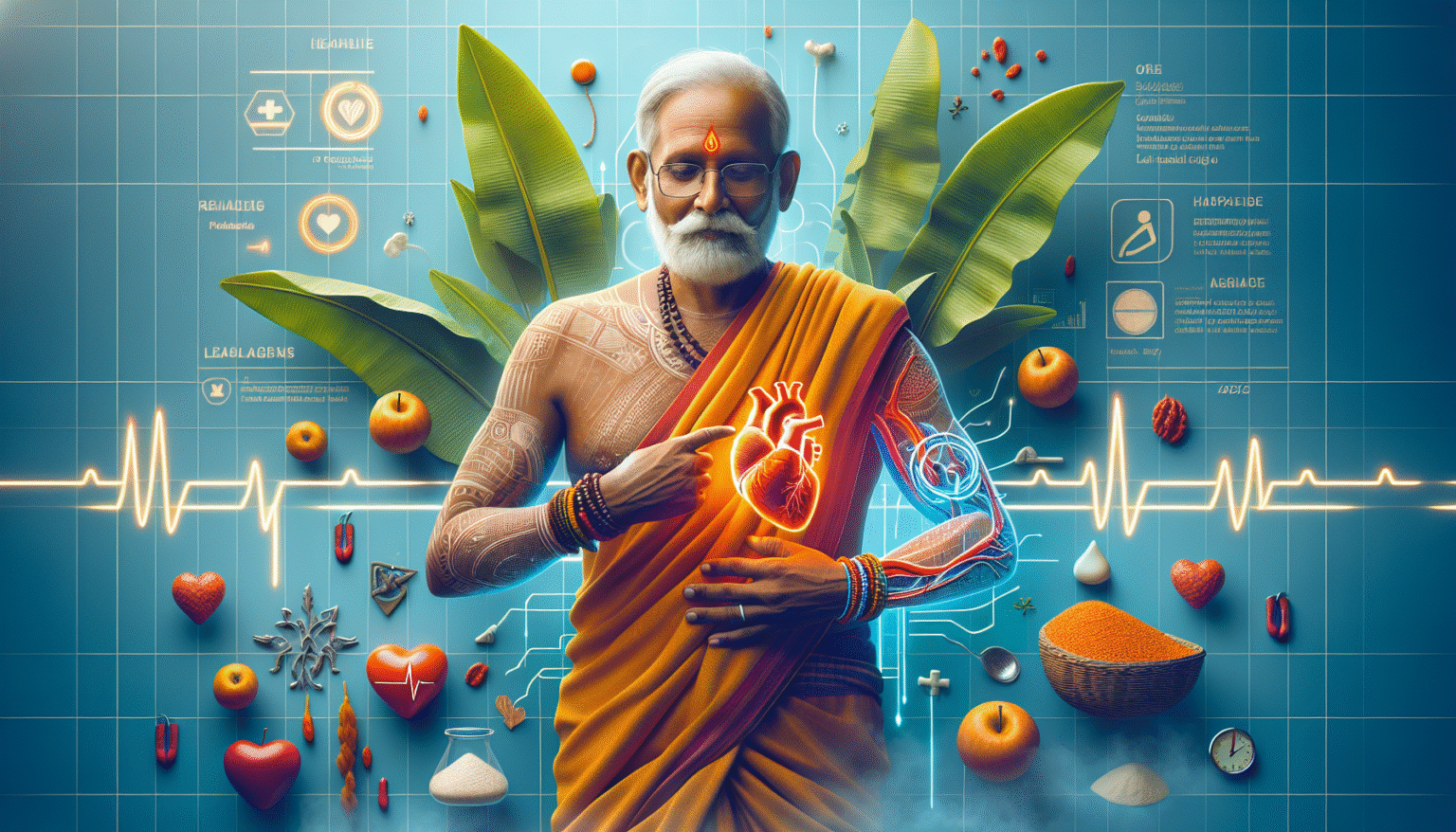

Early Warning Signs of Heart Disease Indians Often Ignore in 2025
Heart disease remains one of the leading health concerns in India, silently affecting millions every year. Despite its prevalence, many people tend to overlook heart disease symptoms or dismiss them as minor ailments. This lack of awareness often delays diagnosis and treatment, leading to serious complications. In this article, we'll explore some common cardiac warning signs that many Indians frequently ignore, the importance of heart health awareness, and how early detection can save lives.
Why Heart Health Awareness is Crucial for Indians
India is witnessing a steady rise in heart-related illnesses, partly due to lifestyle changes, sedentary habits, and dietary choices. The good news? Increasing heart health awareness can help prevent many of these conditions. Understanding the subtle signs of heart problems helps people seek timely medical advice, reducing the risk of heart attacks or strokes.
For many, symptoms like chest pain or breathlessness are easy to identify as serious issues. However, numerous other warning signs are often overlooked because they seem harmless or unrelated to the heart. Educating yourself about these symptoms can be a life-changing step toward better health.
Common Heart Disease Symptoms Indians Often Miss
Many heart disease symptoms aren't dramatic at first. They can appear slowly or be confused with everyday health problems. Here are some warning signs frequently ignored:
- Unexplained fatigue: Feeling extremely tired without reason might be one of the earliest signs your heart struggles to pump blood efficiently.
- Shortness of breath: If you often find yourself breathless during simple activities like climbing stairs, don’t brush it off.
- Chest discomfort or pain: This can range from mild tightness to severe pain but some people, especially women and diabetics, might feel it differently, like indigestion or burning.
- Swelling in legs and ankles: Water retention causing puffiness could indicate heart problems.
- Irregular heartbeat: Palpitations or a fluttering sensation require attention even if they feel brief.
- Dizziness or light-headedness: These can sometimes be signs of reduced blood flow due to heart issues.
Recognizing these symptoms early improves the chances for successful treatment.
Why Early Detection Matters
Heart disease is tricky because symptoms don't always show up clearly until the condition worsens. That’s why early detection is so important.
Early diagnosis allows doctors to recommend lifestyle changes, medications, or interventions before serious damage occurs. For example, regular health check-ups, blood pressure monitoring, and cholesterol screenings can spot problems early.
By paying attention to even mild symptoms and consulting healthcare professionals promptly, individuals can control their condition better and avoid emergencies.
How Lifestyle Changes Can Improve Heart Health
Along with identifying warning signs, improving your daily habits can make a huge difference in preventing heart disease. Some key tips include:
- Eating a balanced diet rich in fruits, vegetables, whole grains, and lean proteins.
- Reducing salt and sugar intake to manage blood pressure and diabetes.
- Staying physically active with at least 30 minutes of moderate exercise most days.
- Avoiding tobacco and limiting alcohol consumption.
- Managing stress through relaxation techniques, hobbies, or counseling.
These steps not only improve heart function but also enhance overall well-being.
When to Seek Medical Help for Cardiac Warning Signs
It’s vital to take cardiac warning signs seriously. Here’s when you should visit a doctor immediately:
- Severe chest pain lasting more than a few minutes.
- Sudden breathlessness or difficulty breathing.
- Fainting or sudden dizziness.
- Palpitations accompanied by weakness or sweating.
If you experience these symptoms, don’t wait — early medical intervention could be lifesaving.
Conclusion: Take Charge of Your Heart Health Today
Many Indians unknowingly ignore early signs of heart disease, but greater heart health awareness is changing that in 2025. By recognizing subtle heart disease symptoms, embracing healthy habits, and seeking timely medical care, you can protect your heart and enjoy a longer, healthier life.
Remember, your heart works tirelessly every day — listen to it and act fast when you notice something isn’t right. Make early detection a priority, and encourage your loved ones to do the same.
Take action today: Schedule a heart health check-up, stay informed about cardiac warning signs, and lead a heart-friendly lifestyle. Your heart will thank you!