


Managing Childhood Obesity in India Through Family-Based Lifestyle Changes and Nutrition Education Programs in 2025
Childhood obesity is becoming a growing concern in India, and by 2025, the issue of childhood obesity India 2025 demands urgent attention. With rapid urbanization, changing food habits, and reduced physical activity, more children are facing weight-related health problems than ever before. The good news is that managing childhood obesity doesn’t have to be overwhelming. Through family-based lifestyle changes and nutrition education programs, we can make a real difference in helping children develop healthy habits for life.
Understanding Childhood Obesity in India 2025
Childhood obesity refers to excess body fat that negatively affects a child’s health and wellbeing. In India, rising incomes and easy access to processed foods have contributed to more kids being overweight or obese. Experts predict that by 2025, obesity rates among Indian children will continue to climb if no steps are taken.
Some common causes of childhood obesity include:
- Poor eating habits with high-calorie, low-nutrient foods
- Sedentary lifestyles and limited physical activity
- Increased screen time and reduced outdoor play
- Lack of awareness about nutrition and fitness
Recognizing these causes is the first step to tackling the problem with family-centered solutions.
Promoting Kids’ Healthy Eating Habits
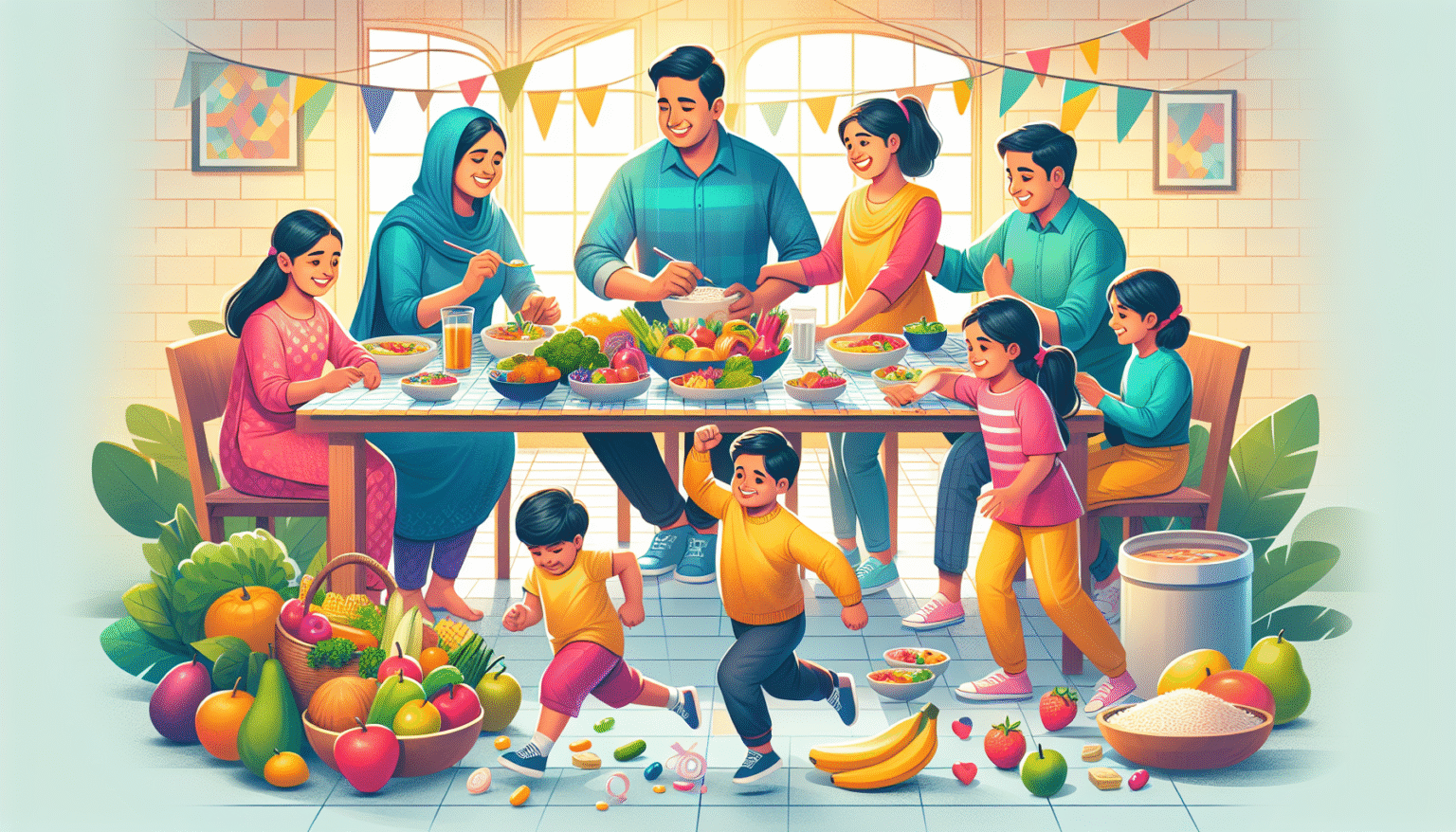
One of the most effective ways to prevent and manage childhood obesity is to encourage kids healthy eating habits within the family. Teaching children about nutritious foods early on builds a foundation for lifelong wellness.
Here are some practical tips:
- Include plenty of fruits, vegetables, whole grains, and lean proteins in meals
- Limit sugary snacks, fried foods, and soft drinks
- Make meals colorful and fun to attract kids’ interest
- Involve children in meal planning and cooking to spark curiosity about food
- Encourage regular meal times and discourage mindless snacking
Nutrition education programs in schools and communities can support families by providing knowledge about balanced diets and portion control. When parents and kids learn together, healthy eating becomes easier and more enjoyable.
Engaging in Family Fitness Activities
Physical activity is a cornerstone of child weight management and overall health. As busy schedules and screen time increase, it’s crucial for families to prioritize active time together. Doing so boosts motivation and strengthens bonds.
Some family-friendly fitness activities to try:
- Evening walks or morning jogs in nearby parks
- Cycling or roller skating sessions on weekends
- Dancing together to favorite songs at home
- Playing outdoor games like badminton, cricket, or frisbee
- Participating in community sports or yoga classes designed for kids and parents
Regular movement helps burn calories, builds strong muscles, and improves mood. Plus, engaging in family fitness activities teaches children the joy of an active lifestyle rather than making exercise feel like a chore.
Nutrition Education Programs: Empowering Families and Communities
Schools and local health centers play a vital role in managing childhood obesity India 2025 by offering nutrition education programs. These programs aim to increase awareness about healthy choices and provide practical tools for families to implement positive changes.
Successful programs often include:
- Interactive workshops on meal planning and reading food labels
- Cooking demonstrations showcasing quick, nutritious recipes
- Guidance on managing emotional eating and building self-esteem
- Collaborative goal-setting for diet and activity improvements
- Regular follow-ups to track progress and celebrate successes
By empowering parents and children with knowledge and support, these programs help create an environment where healthy habits are the norm, not the exception.
The Role of Parents in Child Weight Management
Parents are the primary influencers of their children’s lifestyle habits. Therefore, their involvement is crucial in reversing the childhood obesity trend.
Key ways parents can support child weight management include:
- Modeling healthy eating and exercise behaviors
- Creating a supportive home environment free from food pressure or guilt
- Setting realistic goals and celebrating small achievements
- Limiting junk food availability at home
- Encouraging positive body image and confidence
When parents take charge with empathy and patience, children are more likely to feel motivated and capable of adopting healthier habits.
Conclusion: Taking Action Against Childhood Obesity India 2025
As childhood obesity continues to challenge India’s health landscape in 2025, family-based lifestyle changes combined with nutrition education programs offer a hopeful path forward. By promoting kids healthy eating habits, encouraging family fitness activities, and empowering parents with knowledge for child weight management, we can help children grow up strong and healthy.
If you are a parent, teacher, or community member, start today by making one small change—like cooking a meal together or going for a family walk. Every step counts toward brighter, healthier futures for India’s children.
Join the movement! Share this message, support nutrition education, and champion active, balanced lives for the next generation.