

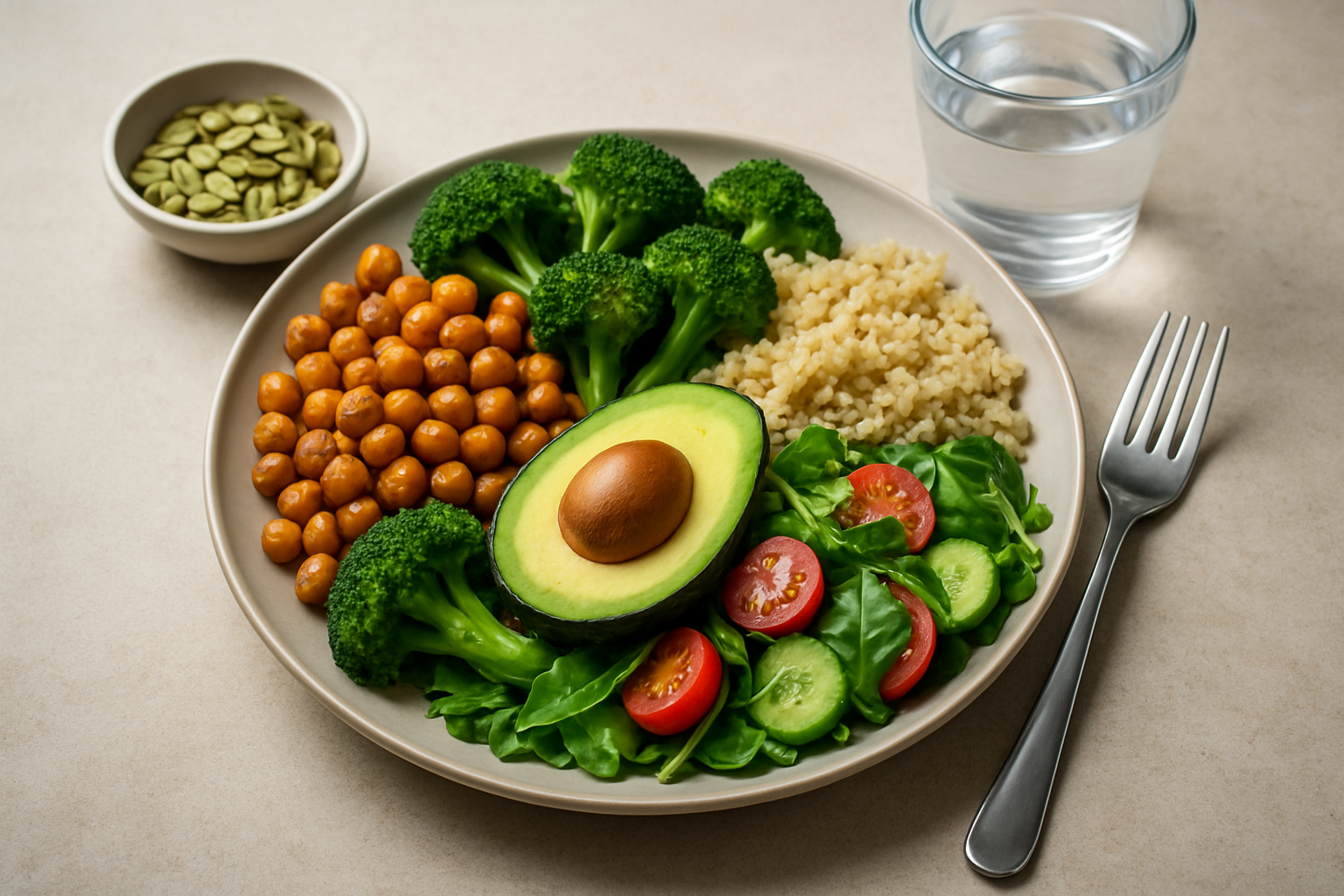

Balanced Plant Based Meal Plan for Weight Loss and Sustained Energy in 2025
As we step into 2025, more people in India are embracing plant-based diets—not just for ethical reasons but for health, energy, and weight management. A balanced plant based meal plan can help you shed extra kilos while keeping your energy levels steady throughout the day. This article shares practical wellness tips and an easy-to-follow health guide tailored specifically for busy Indian readers who want fast wins and lasting benefits. Incorporating self care through food choices is simpler than it sounds when you know what to eat, why it works, and how to track progress without overwhelm.
Why Choose a Balanced Plant Based Meal Plan?
Eating plant-based doesn’t mean just avoiding animal products—it means choosing whole, nutrient-rich foods that fuel your body efficiently. In India, plant foods like lentils (dal), millet, vegetables, nuts, and fruits are staples, making this shift culturally appropriate and sustainable.
Benefits include:
- Natural weight loss through fiber-rich meals that keep you full
- Sustained energy from complex carbs and plant proteins
- Improved digestion and gut health
- Reduced risk of chronic diseases linked to processed foods and animal fats
By focusing on balance—combining protein, healthy fats, and carbs—you minimize blood sugar spikes and drops that cause fatigue. Modern science supports this method, and we’ll show you exactly how to implement it.
Practical Wellness Tips for Your Plant-Based Journey
Starting a new meal plan can feel overwhelming. Here are some simple wellness tips to get you going:
- Fill half your plate with veggies: Think spinach, bottle gourd, carrots, beetroot, and okra.
- Include protein at every meal: Dal, sprouts, chole, tofu, and nuts like almonds and walnuts.
- Pick whole grains: Brown rice, millet varieties like bajra and jowar, or quinoa.
- Healthy fats are key: Use mustard oil, sesame oil, or avocado in moderation.
- Stay hydrated: Aim for 8 glasses of water daily with herbal teas or infused water.
Small daily habits like prepping meals in advance, limiting processed snacks, and mindful eating go a long way toward lasting health improvements.
Easy-to-Follow Steps and Quick Recipes
To help busy Indians embrace this balanced plant based lifestyle, here are a few quick recipe ideas and meal ideas that support weight loss and sustained energy:
- Breakfast: Moong dal chilla stuffed with paneer and spinach, served with mint chutney
- Lunch: Millet khichdi with mixed vegetables, a bowl of curd, and cucumber salad
- Snack: Roasted chickpeas or a handful of roasted makhana
- Dinner: Stir-fried tofu with bell peppers, broccoli, and a small portion of brown rice
These meals combine slow-digesting carbs, fiber, and protein to keep hunger at bay and energy stable.
Troubleshooting Common Challenges
Even with the best intentions, challenges happen. Here's how to handle some of the most common issues:
- Feeling hungry soon after eating? Add more protein or fiber-rich veggies to your meal.
- Craving sweets? Opt for naturally sweet fruits like guava or apple instead of processed sugar.
- Confused about portion sizes? Use smaller plates and track servings with a simple food diary.
- Energy dips mid-afternoon? Incorporate nuts or seeds in your snack to prevent crashes.
It’s also important to listen to your body. If you feel dizzy, weak, or overly fatigued, reassess your meal balance or consult a healthcare professional.
Tracking Progress Without Overwhelm
Keeping tabs on your progress doesn’t require complicated apps or constant weighing. Focus on these simple markers:
- How do your clothes fit compared to a month ago?
- Are you experiencing more stable energy throughout the day?
- Has your digestion improved?
- Are you getting better sleep and mood?
Celebrate small wins like a week of consistent healthy meals or reduced sugar cravings. Tracking emotions and physical changes helps maintain motivation and self-care.
Safety Notes and When to Seek Professional Advice
Although a balanced plant based meal plan is safe for most, certain groups should be cautious:
- Pregnant or breastfeeding women
- People with chronic illnesses like diabetes or thyroid disorders
- Individuals with nutrient deficiencies (especially B12, iron, and protein)
Before making major dietary changes, consult a dietitian or healthcare provider to create a personalized plan.
Summary: Your 2025 Roadmap to Balanced Plant Based Health
Incorporating a balanced plant based meal plan in your daily life blends modern nutrition science with traditional Indian foods to support weight loss and sustained energy. By following practical wellness tips and easy-to-prepare recipes, you can build habits that promote long-term self care and vitality. Remember to track your progress with simple, non-overwhelming methods and seek professional advice when necessary.
Start today with small steps—swap fried snacks for roasted chickpeas, add extra veggies to your plates, and hydrate mindfully. Your journey toward better health in 2025 deserves a plan that’s as balanced as your meals.
Ready to feel lighter, energized, and healthier? Download a free weekly balanced plant based meal planner tailored for Indian flavors and start your transformation with confidence!