


Stress Reducing Breathing Exercises to Calm Mind and Lower Blood Pressure
In today’s fast-paced world, stress feels like an unwelcome guest that overstays its welcome. Whether it’s workplace pressure, family responsibilities, or the hustle of daily life in India, managing stress effectively is crucial for both mental peace and physical health. One of the simplest and most effective wellness tips you can adopt today is stress reducing breathing. This health guide will walk you through easy-to-follow, evidence-backed breathing exercises designed to calm your mind and lower blood pressure, tailored specifically for busy Indian readers.
Why Focus on Stress Reducing Breathing?
Breathing is automatic, but when done mindfully, it becomes a powerful tool for self care. Scientific studies show that slow, deep breathing activates the parasympathetic nervous system—the part of the nervous system responsible for relaxation. This helps reduce the heart rate and dilate blood vessels, which in turn lowers blood pressure.
For many Indians, where chronic stress and hypertension are common, this technique offers a natural, drug-free way to manage health. Plus, you don’t need any special equipment or a lot of time—just a few minutes a day.
Simple Stress Reducing Breathing Exercises to Calm Mind and Lower Blood Pressure
1. Diaphragmatic Breathing (Belly Breathing)
- How to do it: Sit comfortably or lie down. Place one hand on your belly and the other on your chest. Breathe deeply through your nose so your belly rises more than your chest.
- Duration: 5 minutes, twice daily
- Why it works: By engaging the diaphragm fully, you encourage deep oxygen exchange, reducing heart rate and calming nervous tension.
2. 4-7-8 Breathing Technique
- Steps: Inhale quietly through the nose for 4 seconds, hold your breath for 7 seconds, then exhale forcefully through the mouth for 8 seconds.
- Duration: Repeat this cycle 4 times.
- Why it’s effective: This method helps reset your nervous system, making it easier to manage anxiety and lower blood pressure.
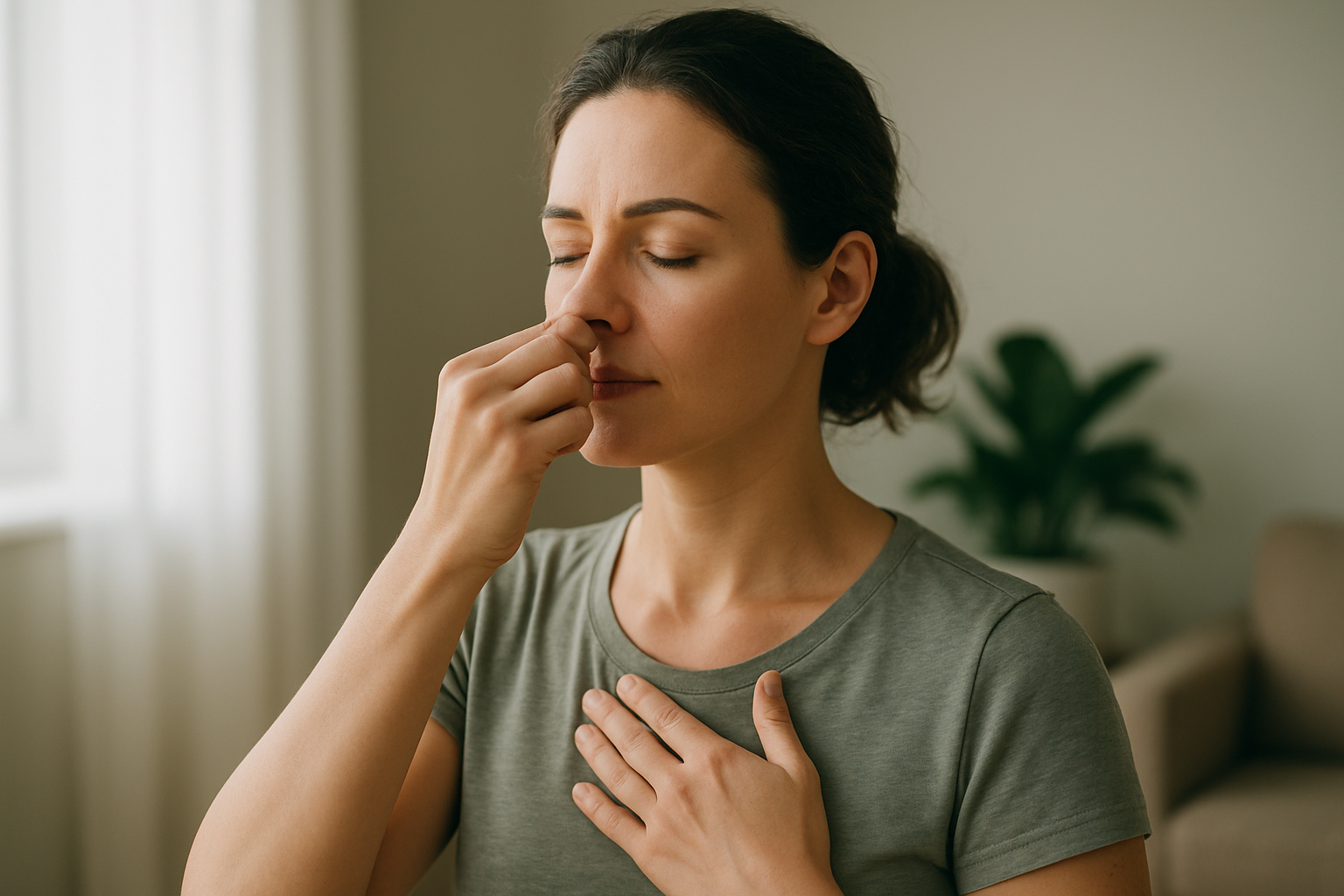
3. Alternate Nostril Breathing (Nadi Shodhana)
- Method: Close your right nostril with your thumb, inhale through the left nostril, then switch sides by closing the left nostril and exhaling through the right. Repeat in reverse.
- Duration: Practice for 5 minutes daily.
- Cultural edge: This ancient pranayama is widely practiced across India for balancing energy and calming the mind.
Incorporating Stress Reducing Breathing into Your Daily Routine
Busy lives need simple habits. Here’s how to effortlessly include breathing exercises and other self care steps into your day:
- Morning ritual: Try alternate nostril breathing after waking up to set a calm tone for your day.
- Work breaks: Do diaphragmatic breathing for 2-3 minutes during short breaks to reduce midday stress.
- Before sleep: Perform the 4-7-8 breathing method to help drift off peacefully.
- Combine with small wellness tips: Sip warm turmeric milk or herbal green tea after your breathing session to enhance relaxation.
- Use reminders: Set phone alarms or sticky notes in your workspace to keep these exercises top of mind.
Troubleshooting: Common Challenges and Solutions
- Feeling dizzy or lightheaded: Slow down your breath or take smaller inhales/exhales. Focus on comfort rather than perfection.
- Busy schedule: Even 2 minutes of mindful breathing is better than none—start small and build gradually.
- Difficulty focusing: Use guided breathing apps or softly hum to keep your mind engaged.
- Consistency issues: Link your breathing practice to an existing habit, like brushing your teeth or waiting for your chai to brew.
How to Track Your Progress Without Feeling Overwhelmed
Tracking benefits doesn’t mean complicated journals or apps. Simple ways include:
- Mood check-ins: Rate your stress on a scale of 1 to 10 before and after each session.
- Blood pressure logs: Keep a small diary or use home monitors a few times weekly to see if your numbers improve.
- Energy and focus: Notice if you feel calmer, sleep better, or concentrate more effectively during the day.
- Celebrate small wins! Each day you make stress reducing breathing a habit is a step toward lasting health improvements.
Safety Notes and When to Consult a Healthcare Professional
Breathing exercises are safe for most people, but consider these precautions:
- If you have respiratory conditions like asthma or COPD, consult your doctor before trying new breathing techniques.
- Those with heart conditions or uncontrolled high blood pressure should seek medical advice to create a personalized plan.
- If you experience severe dizziness, chest pain, or shortness of breath during exercises, stop immediately and consult a healthcare professional.
Conclusion: Your Path to Calm and Healthy Living Starts with Breath
Stress reducing breathing exercises offer a blend of ancient wisdom and modern science perfectly suited for the busy Indian lifestyle. By dedicating a few minutes each day to mindful breathing, you gain a simple, effective wellness tool that calms your mind and helps maintain healthy blood pressure. Paired with wholesome self care habits and small wellness tips, this practice can transform how you respond to stress—without overwhelm, expense, or complexity.
Take the first breath today. Try any one of the exercises above and notice the quiet power of your own breath to bring calm and healing. Your mind and heart will thank you!
Ready to start? Pick your favorite stress reducing breathing exercise and set a reminder for tomorrow morning. Share your experience with friends or family and inspire a wellness ripple effect!