


Plant Based Protein Myths Debunked for Indian Vegetarians in 2025
In India, where vegetarianism has deep cultural roots, many people rely on plant protein India offers to meet their daily nutritional needs. However, despite the growing popularity of plant-based diets, countless protein myths still surround vegetarian and vegan nutrition. Are plant proteins incomplete? Can you really get enough protein without meat or dairy? In this blog, we will clear the confusion and debunk common myths about plant-based protein for Indian vegetarians in 2025.
Why Plant Protein India is a Great Choice
India is blessed with a rich variety of vegetarian protein sources, from lentils and chickpeas to millets and soy. These foods are not only delicious and budget-friendly but also packed with essential nutrients. Plant protein India provides can support muscle growth, energy levels, and general health when consumed properly.
Many worry that plant proteins are “incomplete,” meaning they lack some essential amino acids. But eating a balanced diet with diverse vegetarian protein sources can easily cover this. For example, rice with dal or chapati with chickpea curry together provide all the essential amino acids your body needs.
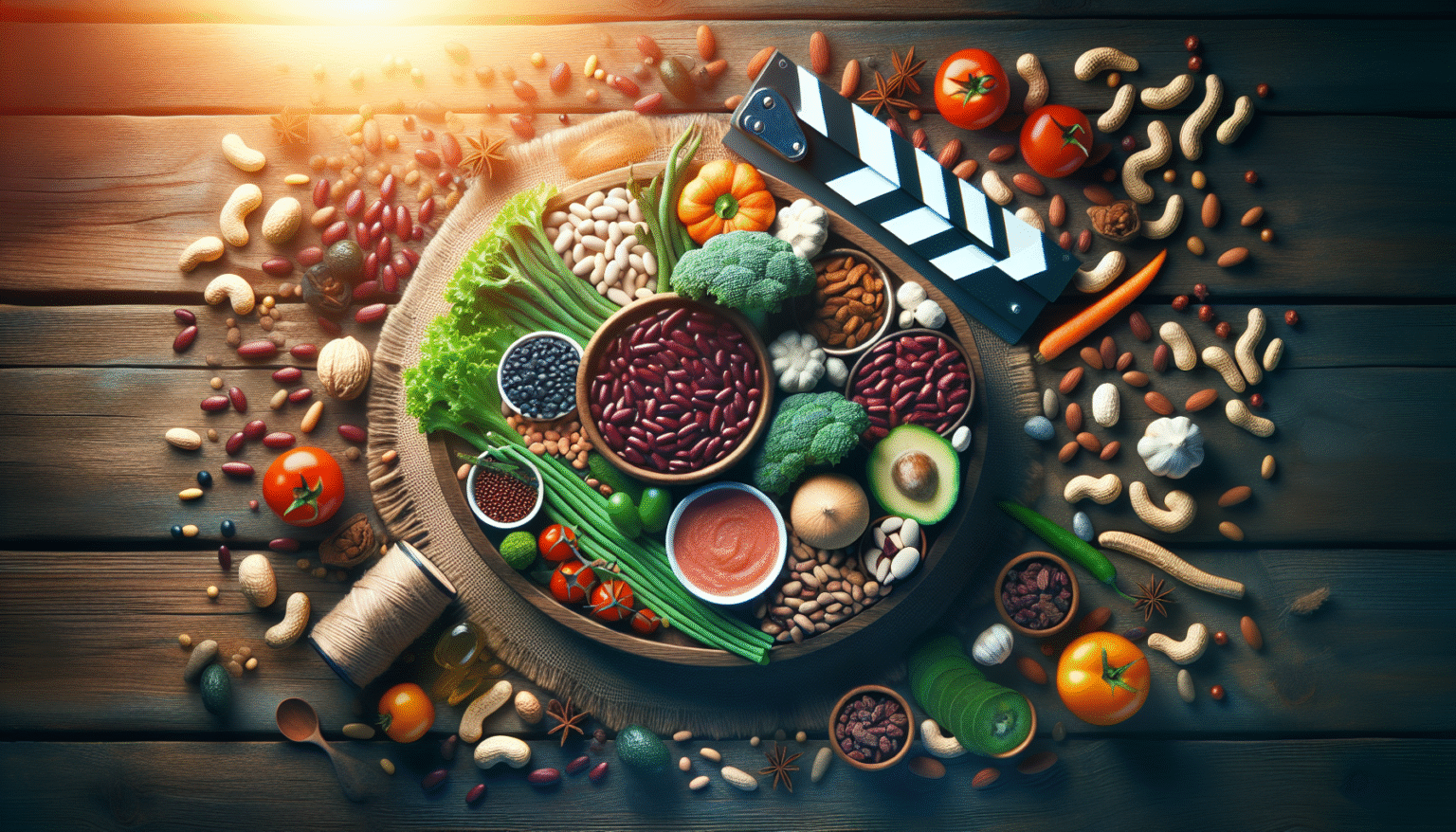
Common Vegetarian Protein Sources in India
- Legumes: Lentils (masoor, moong), chickpeas (chana), and kidney beans (rajma)
- Millets: Ragi, jowar, bajra
- Soy products: Tofu, tempeh, soy milk
- Dairy: Paneer, yogurt, milk (for lacto-vegetarians)
- Nuts and Seeds: Almonds, walnuts, flaxseeds, chia seeds
Including a variety of these helps maintain a healthy balance of plant protein and essential nutrients.
Debunking Protein Myths in Plant-Based Diets
Let’s address some of the most common protein myths Indian vegetarians often hear:
Myth 1: Plant proteins are incomplete and inferior
Truth: While individual plant foods may lack one or two amino acids, combining different sources throughout the day ensures a complete amino acid profile. Traditional Indian meals, like dal with rice, are perfect examples.
Myth 2: Vegetarians and vegans can’t build muscle without animal protein
Truth: Studies show that plant protein can support muscle growth as effectively as animal protein with adequate intake. Pulses, soy, and nuts are excellent for muscle repair and growth.
Myth 3: Plant proteins are hard to digest
Truth: Some plant foods contain fiber, which can slow digestion, but soaking, sprouting, and cooking methods used in Indian kitchens improve digestibility.
Myth 4: You need supplements to meet protein needs on a vegetarian diet
Truth: Most Indians can meet their protein requirements through natural vegetarian protein sources without supplements if they eat balanced meals.
Vegan Nutrition Tips for Indian Vegetarians
For those following a fully vegan path, understanding vegan nutrition is vital. Here are simple tips to ensure you get enough protein and stay healthy:
- Combine grains and pulses: Dals with rice, chapati with rajma or chana make a complete protein.
- Include soy products: Tofu and soy milk boost your protein intake.
- Snack smart: Nuts and seeds are protein-rich snacks.
- Eat a rainbow: Vegetables, fruits, and whole grains ensure overall nutrition.
- Consider fortified foods: B12 supplements or fortified plant milks can support a vegan lifestyle.
Why Understanding Plant Protein Matters in 2025
With rising awareness of health, sustainability, and ethical food choices, many Indian vegetarians are turning towards plant protein for better nutrition. Being informed about vegetarian protein sources and debunking protein myths empowers you to make smart, healthy decisions for yourself and your family.
Plant protein India provides is not only adequate but excellent in quality when combined creatively and thoughtfully. Embracing plant proteins helps reduce reliance on processed foods and supports long-term health.
Conclusion: Embrace Plant Protein with Confidence!
Protein myths around vegetarian diets often cause unnecessary confusion. But in reality, Indian vegetarian dishes have been a beautiful example of plant-based nutrition for centuries. By understanding the facts about plant protein India offers and exploring diverse vegetarian protein sources, you can enjoy a healthy, satisfying diet in 2025 and beyond.
Ready to boost your meals with powerful plant proteins? Start experimenting with new recipes using dals, millets, soy, nuts, and seeds. Share your favorite plant-based protein dishes with friends and family — let's spread the knowledge and embrace vibrant, wholesome vegetarian nutrition together!
Take Action: Next time you plan your meals, try including a variety of vegetarian protein sources and bust those protein myths once and for all. Your body and taste buds will thank you!