

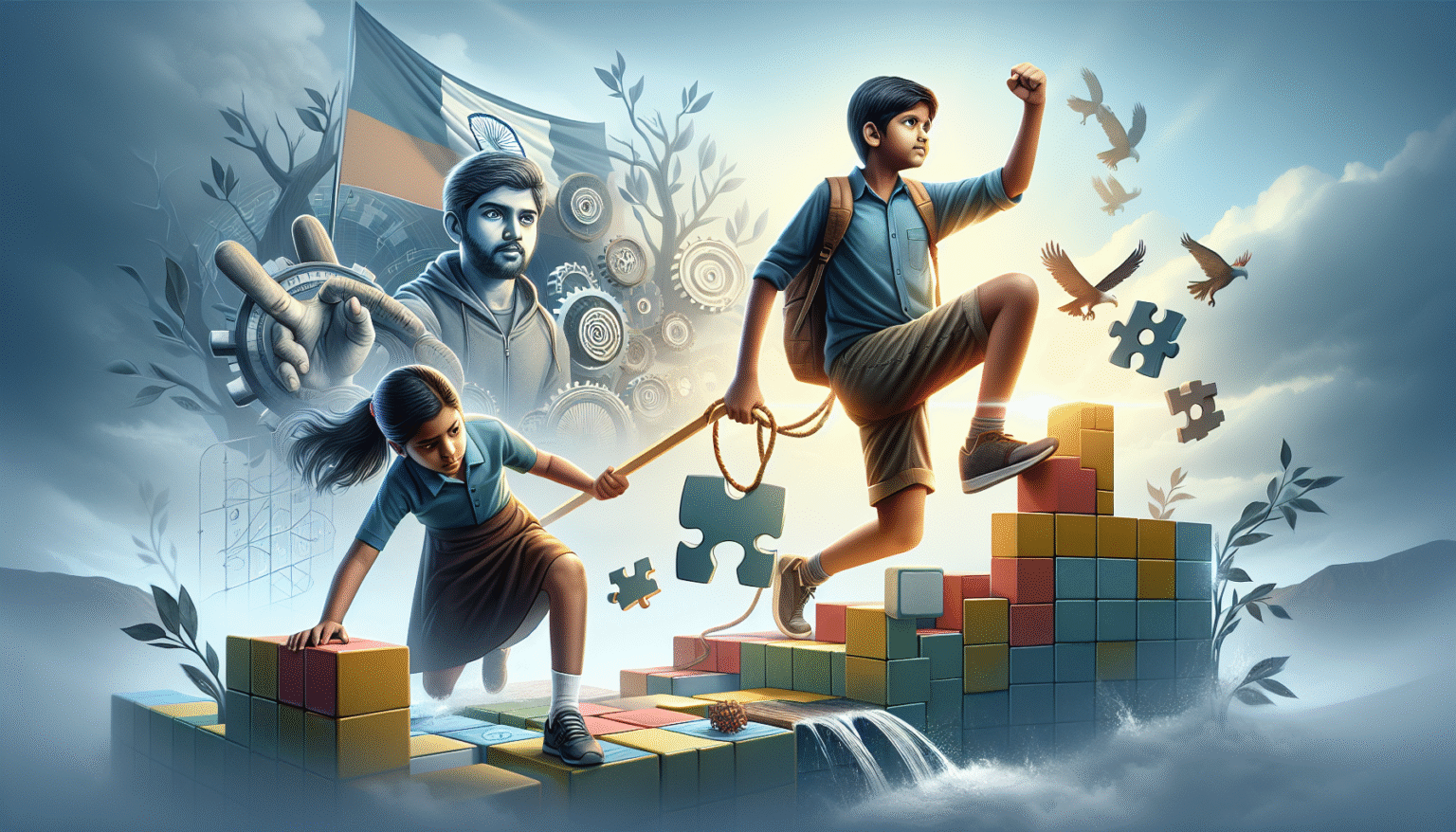

Building Emotional Resilience in Indian Children and Teenagers 2025
In today’s fast-changing world, building emotional resilience in kids is more important than ever. Indian children and teenagers face unique challenges, from academic pressure to social changes, making it essential to help them develop strong emotional skills. Emotional resilience helps kids bounce back from setbacks, manage stress, and face life with confidence. In this article, we will explore how to nurture emotional resilience in Indian children and teenagers in 2025, while also touching on key aspects of teen mental health India, child psychology, and youth wellness.
What Is Emotional Resilience and Why Does It Matter?
Emotional resilience kids means having the ability to handle stress, recover from difficulties, and stay positive even during tough times. For children and teenagers, this skill is like a mental shield that protects them from the harmful effects of stress and frustration.
In India, pressures like competitive exams, social expectations, and rapid cultural changes can affect young minds deeply. By building emotional resilience early, we allow kids to:
- Cope better with failures and disappointments
- Manage emotions like anxiety and anger
- Improve social skills and relationships
- Develop a positive outlook on life
Research in child psychology shows that emotionally resilient children grow into adults who handle work and personal life challenges more effectively.
The Role of Teen Mental Health in India Today
Teen mental health India is a critical subject as more teens face anxiety, depression, and stress-related problems. Many factors contribute to this:
- Academic pressure to perform well
- Social media influence and cyberbullying
- Family conflicts and societal expectations
- Uncertainty about future career paths
Understanding and supporting teen mental health allows parents and educators to spot early signs of struggle. Emotional resilience becomes a powerful tool to battle these challenges. Schools and communities that promote open conversations about feelings help teens feel supported and less isolated.
Practical Ways to Build Emotional Resilience in Kids and Teens
Building emotional resilience isn’t a one-time event but a daily practice. Here are some proven ways parents and teachers can help:
Encourage Emotional Expression
Teach kids it’s okay to talk about their feelings without fear of judgment. Use simple questions like “How did that make you feel?” to open dialogue.
Foster Problem-Solving Skills
Help children approach problems step-by-step instead of reacting impulsively. Role-playing different scenarios can be a fun way to practice this.
Promote Strong Relationships
Healthy friendships and family bonds are key. Encourage teamwork, empathy, and kindness within peer groups.
Teach Mindfulness and Relaxation
Simple breathing exercises, guided meditation, or yoga can help calm the mind and reduce anxiety.
Set Realistic Expectations
Avoid pushing kids to be perfect. Celebrate effort and progress, not just final results.
These strategies support youth wellness by providing tools to manage stress and build confidence.
The Importance of Cultural Sensitivity in Emotional Resilience
India’s diverse cultures influence how emotions are expressed and handled. Some communities may discourage open discussions about feelings, which can make emotional resilience harder to develop. Understanding these cultural nuances helps caregivers tailor their approach in a respectful and effective way.
Schools should incorporate culturally sensitive programs focused on mental health awareness, encouraging children from different backgrounds to share their experiences without stigma.
How Child Psychology Can Guide Parents and Educators
Insights from child psychology help us understand that emotional resilience is linked to brain development and supportive environments. Children with secure attachments to caregivers tend to show higher resilience. Psychologists suggest:
- Building trust through consistent care
- Providing safe spaces for emotional exploration
- Modeling positive coping mechanisms
By partnering with child psychologists, parents and schools can create customized emotional wellness plans that meet individual needs.
Looking Ahead: Youth Wellness Trends in India for 2025
In 2025, we expect more focus on integrated health models combining physical, emotional, and social well-being for youth. Technology, too, plays a role—with apps designed to support teen mental health India and teach emotional skills interactively.
Communities and schools will increasingly recognize that mental health is as important as physical health. Building emotional resilience kids today means nurturing a generation better prepared for life’s uncertainties and challenges.
Conclusion
Building emotional resilience in Indian children and teenagers is a vital investment for a brighter, healthier future. By understanding the challenges unique to teen mental health India, applying principles of child psychology, and promoting youth wellness, parents and educators can empower young minds to thrive.
Start today by encouraging open conversations, fostering empathy, and teaching simple coping skills. Together, we can help our children and teens become stronger, happier, and more resilient.
Take Action Now: Reach out to a mental health professional or join youth wellness programs in your community to support emotional resilience kids and teens in your life. The strength you build today will shape tomorrow’s India.